
Categories
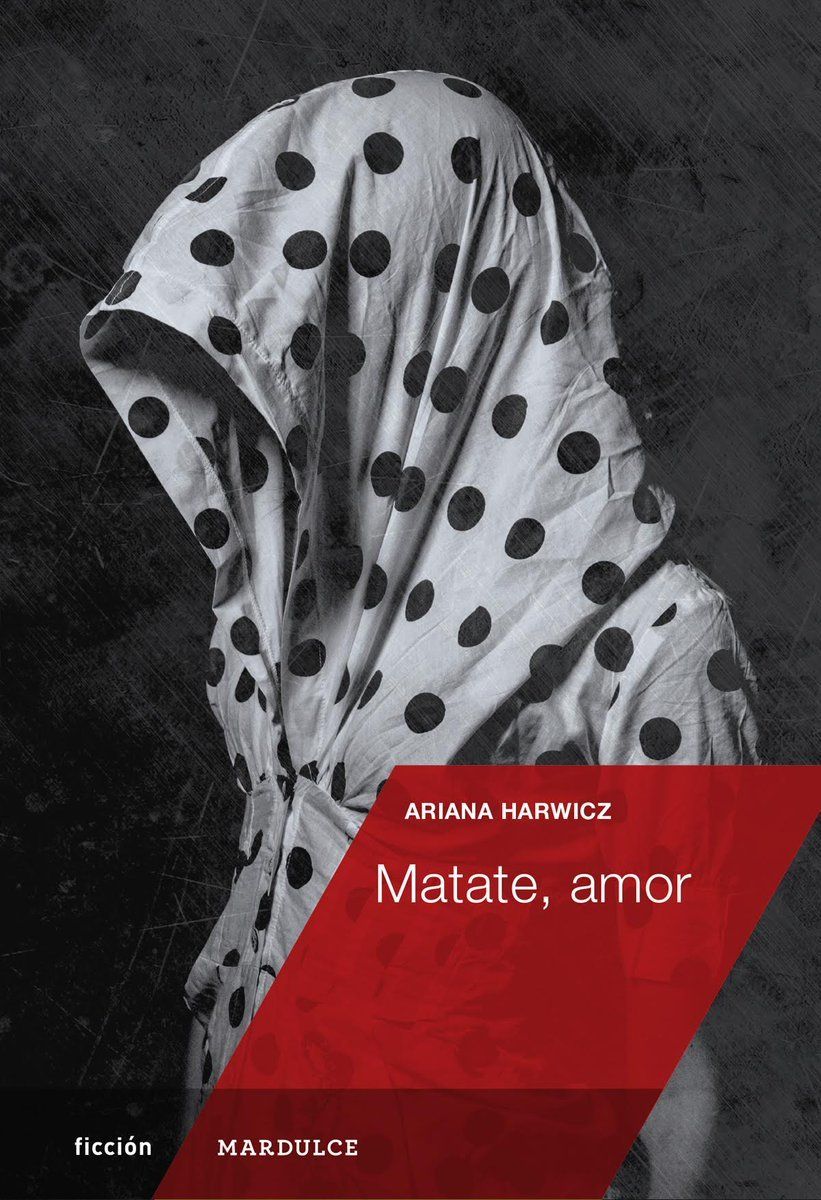
Matate amor - Ariana Harwicz
SKU MATATEAMOR
£14.00
In a forgotten patch of French countryside, a woman is battling her demons – embracing exclusion yet wanting to belong, craving freedom whilst feeling trapped, yearning for family life but at the same time wanting to burn the entire house down.
In stock
1
Matate amor - Ariana Harwicz
Product Details
Matate amor
By Ariana Harwicz
IN SPANISH
Publisher: Mar Dulce (Argentina, 2025)
In a forgotten patch of French countryside, a woman is battling her demons – embracing exclusion yet wanting to belong, craving freedom whilst feeling trapped, yearning for family life but at the same time wanting to burn the entire house down. Given surprising leeway by her family for her increasingly erratic behaviour, she nevertheless feels ever more stifled and repressed. Motherhood, womanhood, the banality of love, the terrors of desire, the inexplicable brutality of ‘another person carrying your heart forever’.
It’s impossible to come out from reading Ariana Harwicz unscathed. The language of Matate, amor (Die, My Love) cuts like a scalpel even as it attains a kind of cinematic splendour, evoking the likes of John Cassavetes, David Lynch, Lars von Trier and John Ford. In a text that explores the destabilising effects of passion and its absence, immersed in the psyche of a female protagonist always on the verge of madness, in the tradition of Sylvia Plath and Clarice Lispector, Harwicz moulds language, submitting it to her will in irreverent prose. Bruising and confrontational, yet anchored in an unapologetic beauty and lyricism, the book is a unique reading experience that quickly becomes addictive.
Weight: 170 g
Pages: 155
You May Also Like
Una mente propia: Selección de Cartas sociables y Discursos femeninos - Margaret Cavendish
£14.00
Una mente propia: Selección de Cartas sociables y Discursos femeninos - Margaret Cavendish
Read today, Cavendish impresses with her incredible modernity. Cavendish questions the patriarchal imprint on the customs of domestic life, reveals the pitfalls of motherhood, among other topics.
WORKSHOP
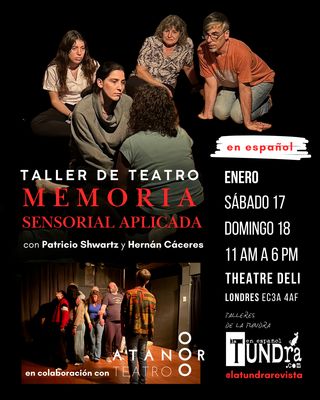
Taller de Teatro: Memoria sensorial aplicada
£90.00
Taller de Teatro: Memoria sensorial aplicada
En este taller intensivo con Patricio Schwartz (Atanor Teatro) y Hernán Cáceres (El Método, Londres) entrenaremos la memoria senso-afectiva, desarrollando herramientas para abordar un texto a la hora de ensayar o actuar.
Out of stock
Sold out
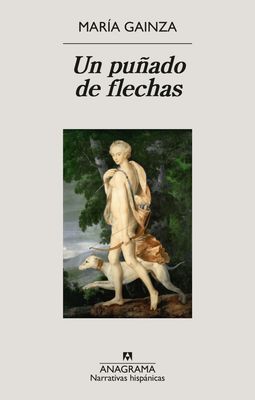
Un puñado de flechas - María Gainza In SPANISH
£15.00
Un puñado de flechas - María Gainza In SPANISH
A book in which art, literature, and life intertwine: confirmation of María Gainza's immense talent.
Out of stock
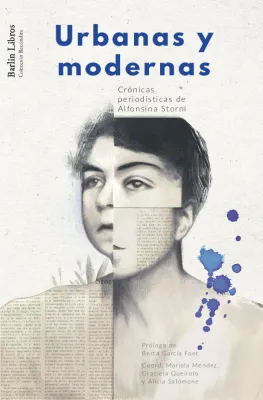
Urbanas y modernas - Crónicas periodísticas de Alfonsina Storni
£15.00
Urbanas y modernas - Crónicas periodísticas de Alfonsina Storni
Some of the most celebrated journalist chronicles published by Alfonsina Storni between 1919 and 1921.
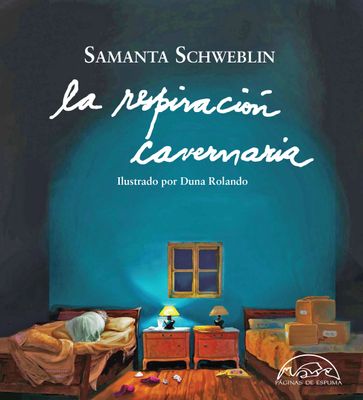
La respiración cavernaria - Samanta Schweblin
£15.00
La respiración cavernaria - Samanta Schweblin
One of Samanta Schweblin's most intense and celebrated stories, a gripping story about loss, bewilderment, obsession, and memory.
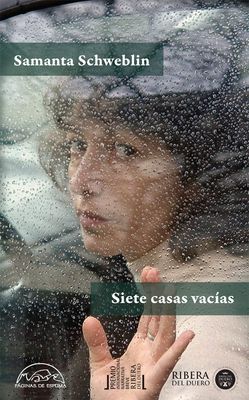
Siete casas vacías - Samanta Schweblin
£14.00
Siete casas vacías - Samanta Schweblin
There are seven houses, and they are empty. The narrator, according to Rodrigo Fresán, is "a sane scientist contemplating madmen, or people who are seriously considering going mad."
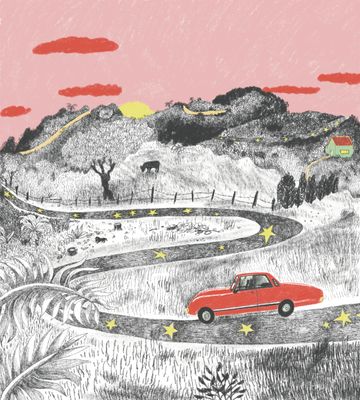
Alegría – Margarita García Robayo illustrated by Powerpaola
£15.00
Alegría – Margarita García Robayo illustrated by Powerpaola
Margarita García Robayo combines existences, spaces, and times because "one can fill the void with stories, and the stories with more voids, and those voids with more stories: life is a story that contains another and another. One is not condemned to a sin
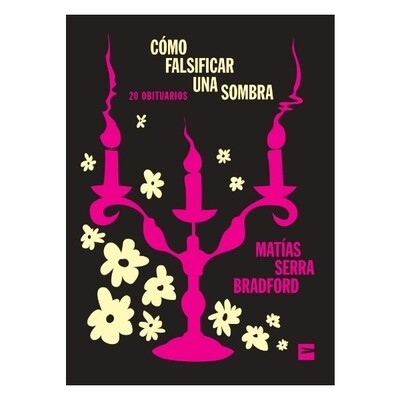
Cómo falsificar una sombra - Matías Serra Bradford
£8.00
Cómo falsificar una sombra - Matías Serra Bradford
20 obituaries of writers and artists, written shortly after their deaths, like hasty tributes or freehand epitaphs.
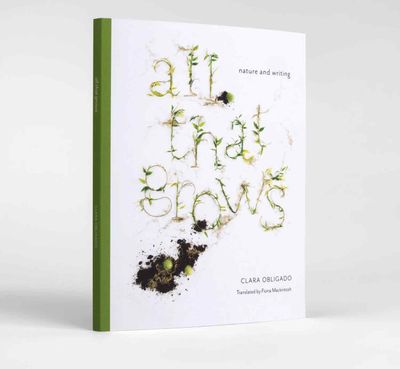
all that grows: nature and writing by Clara Obligado
£14.00
all that grows: nature and writing by Clara Obligado
all that grows chronicles Clara Obligado's upbringing in Argentina, her exile to Spain, and her resulting reconciliation of place, memory, loss, and growth.
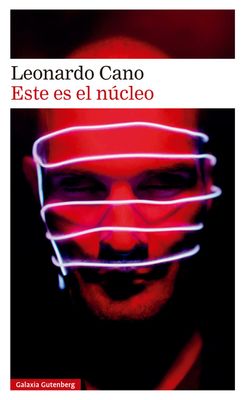
Este es el núcleo - Leonardo Cano
£15.00
Este es el núcleo - Leonardo Cano
This gripping thriller, which won the 55th City of Barbastro International Novel Prize, revolves around one of the key issues of our time: the interference of artificial intelligence in our existence.
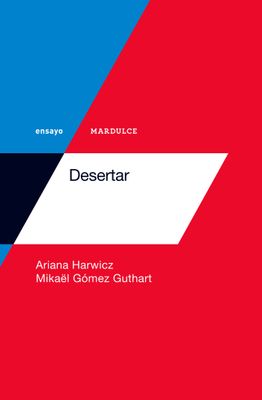
Desertar - Ariana Harwicz, Mikaël Gómez Guthart
£13.00
Desertar - Ariana Harwicz, Mikaël Gómez Guthart
A writer and a translator captivated by the mysteries of literature and translation.
Display prices in:GBP
